

You searched emotional energy healing because you need something that still works at 11:47 p.m., when the house is quiet, your phone is face down, and your chest is tight for no clear reason. You need something you can trust by tonight, not another idea that sounds good and disappears when your body braces again. By the end of this page, you will know exactly what to do in the minute your body starts to lock up. Maybe you already know your patterns. Maybe you can explain your childhood, your triggers, your defenses. And still, one unread message can drop your stomach, one sharp tone can lock your jaw, one quiet room can make your throat close.
You might notice it most at night. The house is quiet, your body is not. Your mind tries to reason with it, but your sternum feels like it is carrying a stone. You replay conversations, edit texts, rehearse what you should have said, and none of that touches the pressure under your ribs. That does not mean you are broken. It means your body is still carrying what your mind has been trying to outthink.
Most people are not confused because they are careless. They are confused because the advice is contradictory, loud, and disconnected from real moments.
If your body still feels under threat, insight alone will not bring relief.
Real emotional energy healing starts when sensation is met safely, specifically, and in small enough amounts that your system does not have to run.
If you want wider context first, start with our complete guide to emotional processing and healing, then return here.
The real gap: insight in your head, alarm in your body
Join our insider list
Get exclusive insights delivered to your inbox — plus a free guide when it drops.

Many of us can map the whole pattern in words.
Then life happens fast.
A sigh. A slammed cabinet. Silence after a vulnerable text.
Your shoulders rise, breath shortens, chest hardens, jaw clamps.
The body reacts first. Shame arrives second.
“Why are we still like this?”
That is not weakness. That is protection firing on old timing.
What people call stuck emotions is often a rapid chain: body signal, meaning, behavior. If we miss the body signal, we judge ourselves for the behavior. If we catch the body signal, choice returns before the spiral gets traction.
A lot can happen in ten seconds. Your throat tightens, then your mind says, “Don’t make this a thing,” then you smile while disappearing inside. Later, you call yourself avoidant, dramatic, cold, or too sensitive. But what actually happened is simpler: your body sent a signal and you were trained to override it before it had words.
Common early-body signals:
tight throat when you need to speak. pressure behind the sternum when the room goes quiet. twisted or hollow stomach after conflict. clenched jaw from words held back. heavy shoulders from carrying everyone’s needs. numb hands when helplessness lands.
You do not need a perfect map of your past to work with this. You need honest contact with the signal that is here now. That is where your choice lives. That is where your power returns.
If this is your pattern, why you always say “I’m fine” when you’re not helps you catch it earlier.
If nights are hardest, what to do when your chest feels heavy at night gives a short reset before shutdown deepens.
If your main pattern is going flat, why emotional numbness happens when you’ve been strong for too long helps you stop mistaking protection for emptiness.
What emotional energy healing is — and what to ignore

At its most grounded, **emotional energy healing** is not performance. Not dramatic release. Not pretending to be calm. It is your system finishing responses that were interrupted when there was no safe room for them.
Methods vary. Labels vary. The body does not care about branding.
What matters is outcome in ordinary life.
A method is helping when:
you notice activation earlier. conflict feels less explosive. recovery is faster after a spike. honest words come sooner and cleaner.
A method is not helping when it asks you to bypass pain, perform serenity, hand over your inner authority, or chase intensity just to feel like progress.
Ignore anything that makes healing feel like a show. If you are being pushed to force catharsis, perform gratitude while your jaw is locked, or explain your pain in polished language while your stomach is twisting, your body is already telling you this is not it. Reliable emotional energy healing feels ordinary and exact. It makes you more truthful in real conversations, not more impressive in spiritual ones.
You do not need bigger promises. You need signals you can test in your next hard moment.
For grounded mental health context, see NIMH’s mental health resources and MedlinePlus on anxiety.
If emotional energy healing still feels heavy in your body right now, Feeling.app is a calmer way to stay with what you feel.
A calmer, steadier way to meet what you feel — without bypassing, forcing, or performing recovery.
Why you can know better and still feel trapped
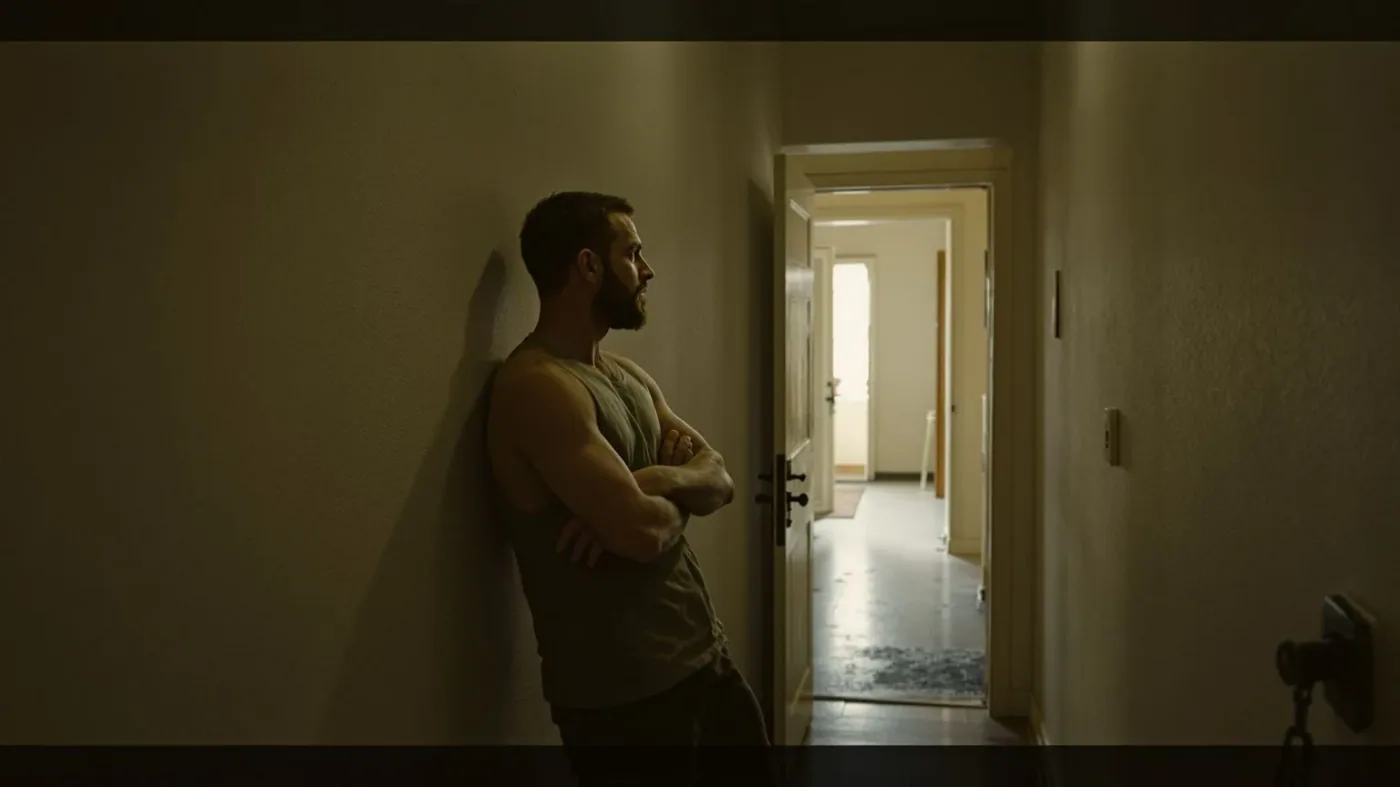
Knowing and feeling are different systems.
Knowing says, “This is old.”
Feeling says, “This is now.”
Healing begins when those two lines meet in one honest moment.
In our experience, the trap is simple and costly: you perform “okay,” sensation gets replaced with analysis, tolerance narrows, and soon even mild feeling starts to feel unmanageable. Then anxiety and numbness alternate. Too much. Then nothing. Flood, then freeze. Different shapes, same protection.
One factor changes the trajectory: witness.
Pain carried alone tends to harden.
Pain met safely tends to move.
There is also an inner split many people miss. One part of you is feeling the surge in your chest. Another part is watching and judging: “This is ridiculous. Get it together.” That judging voice is often old training, not current truth. The observer you need is different. It is calm, specific, and kind: “Tight throat. Heat in face. Urge to defend.” That observer does not shame you and does not rescue you. It stays with you long enough for choice to return.
In a real moment, it can sound like this: your partner says, “Can we talk?” and your stomach drops before a word is spoken. Old protection says, “Answer fast, fix it, end this.” The observer says, “Drop in stomach. Jaw tight. I need ten seconds.” That ten-second shift can prevent a two-hour argument and a night of regret.
Depth work is not about bigger emotions. It is about cleaner contact. You stop asking, “Why am I like this?” and start asking, “What is here in my body, right now, in this exact moment?” You stop proving your pain and start feeling it in workable amounts. This is where stuck loops begin to loosen.
If you need help with this part, how to find a safe person to talk to can help you choose someone who will not punish honesty. If relationship fear is the pressure point, how to stop hiding your feelings without flooding can help you stay connected while telling the truth.
When confusion spikes, use one line only:
Trigger → Body location → Next action
Example: “Partner sighed. Pressure in chest. I talked fast and agreed to something I didn’t want.”
That line is small.
That line is power.
It cuts shame and gives you one place to intervene.
A 12-minute emotional energy healing practice you can do today

This is where **emotional energy healing** stops being a concept and becomes a skill your body can trust.
Permission (30 seconds)
Silently say:
“I am allowed to feel what is here, in small safe amounts.”
Not all at once. Not forever. Just now.
Entry (1 minute)
Lie down on a stable surface.
Place both hands beside your hips, palms facing down.
Close your eyes and cover them with a soft shirt or scarf.
Keep your body still.
Body location (1 minute)
Ask: “Where is the strongest sensation right now?”
Choose one place only: throat, chest, stomach, jaw, shoulders, or hands.
Name it with simple words: tight, heavy, hollow, sharp, hot, numb, buzzing.
If more than one place is loud, pick the clearest one and stay there. Your system does better with one clear signal than six competing ones.
Tolerance (8 minutes)
Stay with that one location.
No fixing.
No explaining.
No forced breathing.
When attention drifts, come back to the same spot. Keep your body still — no swaying, rocking, stretching, or posture changes.
If intensity rises too high, orient right away: open your eyes, feel the surface under you, name five objects in the room, and slow down. Safety first.
If your mind says, “This is pointless,” or “I should be over this,” do not debate it. Return to sensation words.
If fear says, “I will drown if I feel this,” go smaller: two breaths with the sensation, then check the room. Continue only if it still feels workable.
If fear says, “Nothing is happening,” look for quiet shifts: jaw pressure from 8 to 6, shoulders dropping one inch, warmth replacing sharpness, hands less numb. Small shifts are real shifts.
If tears come, let them come without turning them into a story. If anger rises, feel the heat and pressure without moving your body. If numbness stays, stay with numbness itself as the sensation. Numb is still a signal. Flat is still contact. You are not failing when the session is quiet.
Use short observer phrases if you get pulled into analysis: “Tight.” “Heavy.” “Heat.” “Buzzing.” “Still here.”
These words are not magic. They are anchors that keep you in contact with what is actually happening.
One quiet truth (30 seconds)
Say one sentence out loud:
“Right now, I feel ___ in my ___.”
One true sentence is enough.
Integration (1 minute)
Within the next hour, take one action that matches what you felt: drink water slowly, step outside for five minutes, send one honest text, or delay one non-urgent decision.
Let one part of your day reflect your body’s truth.
If you felt throat tightness, choose a communication action. If your chest was heavy, reduce one demand. If your stomach dropped, postpone one pressured choice. Matching action tells your body, “You are not being ignored anymore.”
If you want a gentler way to continue after this article, Feeling.app is worth trying.
A calmer, steadier way to meet what you feel — without bypassing, forcing, or performing recovery.
What starts changing when you practice this

The early changes are quiet, then unmistakable.
You catch signals earlier.
You lose fewer hours to one hard moment.
You recover faster after emotional spikes.
Then language changes. You speak in clean, honest sentences: “I need a minute.” “My chest is tight.” “I can talk, but slowly.” This is processing emotions in real life. Less self-abandonment in the moments that used to erase you.
Conflict changes too. You return sooner. You describe what happened in your body without turning every conversation into a courtroom. Trust grows because your words are less defended and more true.
Underneath all of it, shame loosens. You stop treating reactions as proof you are broken. You start reading them as signals from a body that protected you when it had no better options.
You may also notice practical changes that matter more than inspiration ever did: fewer panic texts you regret, fewer silent nights spent rehearsing arguments, fewer mornings starting with dread in your chest. You become easier to reach, not because you force vulnerability, but because you can stay present for your own sensation long enough to speak clearly.
This is where observer depth becomes real. In a hard moment, one part of you now notices: “I am bracing.” That tiny awareness interrupts automatic defense. You still feel the surge, but you are no longer fully inside it. You can choose a slower sentence, a pause, a boundary, or a repair. That is what progress looks like in daily life.
That is an emotional healing journey in plain language: not becoming emotionless, but becoming reachable to yourself while emotion moves.
A calmer, steadier way to meet what you feel — without bypassing, forcing, or performing recovery.
What changed, what softens, what truth remains

What changed is your sequence in the hard moment.
Before: trigger, brace, react, regret.
Now: trigger, notice, name, choose.
What softens is not all pain at once. What softens is the panic around pain.
The old fear says, “If we start feeling, we will not stop.”
Practice teaches the opposite: in safe amounts, feeling moves.
Keep this sentence close, because it remains true in every hard conversation and every late-night spiral: if your body still feels under threat, insight alone will not bring relief.
That is not failure. That is biology asking for safety before strategy. When safety enters the body, honesty follows. When honesty follows, healing stops being a performance and becomes a real choice you can make in ordinary life. Tonight, when your throat tightens or your chest goes heavy, meet one sensation directly, stay for two breaths, and take one matching action within the hour.
Quotable truth to carry forward: “If your body still feels under threat, insight alone will not bring relief.”
You do not have to fight emotional energy healing by force, but you can meet it with honesty, gentleness, and one true next step.
What often changes first is not the whole story, but the amount of force inside it. When emotional energy healing is named honestly, your body usually stops wasting so much energy on hiding, bracing, and pretending to be fine. That is where clarity begins. You may notice a little less pressure in your chest, a little more room in your breathing, or a little less panic around what this means about you. Those are not small things. They are signs that truth is starting to replace performance. And when truth returns, you can choose what actually restores you instead of repeating what only keeps you depleted.
You do not have to fight emotional energy healing by force, but you can meet it with honesty, gentleness, and one true next step.
What often changes first is not the whole story, but the amount of force inside it. When emotional energy healing is named honestly, your body usually stops wasting so much energy on hiding, bracing, and pretending to be fine. That is where clarity begins. You may notice a little less pressure in your chest, a little more room in your breathing, or a little less panic around what this means about you. Those are not small things. They are signs that truth is starting to replace performance. And when truth returns, you can choose what actually restores you instead of repeating what only keeps you depleted.
Frequently Asked Questions
Why do we still feel this even when we understand where it comes from?
Because understanding and nervous-system settling are different processes. Insight explains the pattern. Your body still needs safe contact in the present to register that the threat is over.
How can we tell the difference between processing and overthinking?
Processing stays close to sensation and usually creates a shift, even a subtle one. Overthinking stays in analysis while the body remains braced, numb, or frozen. If body state is unchanged, you are likely looping.
Can emotional energy healing help with emotional numbness?
Often, yes. Numbness is usually protection, not absence. Gentle, repeated contact with sensation can help feeling return in workable amounts.
How long does it take for stuck emotions to move?
It depends on history, current stress load, and consistency. Some layers shift quickly. Deeper patterns usually soften through repetition. Track progress by function: earlier noticing, faster recovery, less reactivity, more honest communication.
What if we feel worse after a session?
A temporary increase can happen when suppressed material starts surfacing. Shorten the session, orient to surroundings, and prioritize safety. If intensity feels unmanageable, seek qualified professional support.
Do we need a practitioner, or can we do this alone?
Both paths can work. Many people begin alone and bring in support for deeper layers. Good support increases your self-trust and capacity; it does not create dependence.