

If you’re searching bottling up emotions, you’re probably not looking for another abstract explanation. You’re looking for something you can trust when your chest is tight, your jaw is locked, and your mind is running in circles at midnight. Most people who suppress feelings are not weak or dramatic. They are practiced. They learned early that honesty had consequences, so they got good at control and called it “fine.”
Bottling Up Emotions is not proof something is wrong with you, but a sign your body and inner life have been carrying too much alone.
Bottling Up Emotions is not proof something is wrong with you, but a sign your body and inner life have been carrying too much alone.
Bottling up emotions does not make pain smaller; it makes you carry it alone.
Maybe you can keep a whole day running, answer messages, finish tasks, and even sound calm, then feel your body crash the second the room gets quiet. Maybe you go numb during conflict, then replay the conversation for hours with a clenched stomach. Maybe people describe you as “so strong,” while your shoulders feel like they are carrying a weight no one can see. Maybe you are the reliable one for everyone else, then lie awake feeling a pressure in your chest you cannot explain to anyone.
That strategy made sense. It helped you survive rooms where your real feelings were unwelcome.
But what protected you then may be exhausting you now. The path forward is usually clearer than it feels, and by the end of this, you’ll have one specific thing to do when pressure starts rising. Your body is already giving directions. When you stop arguing with those signals and start naming them in small, specific moments, confusion drops and relief begins.
You are not too much. You are overloaded and under-witnessed.
If that line lands hard, this piece on why “I’m fine” becomes a reflex can help you see where the pattern started.
If you’re bottling up emotions, your body is already speaking
Join our insider list
Get exclusive insights delivered to your inbox — plus a free guide when it drops.

Suppression rarely starts as a mindset problem. It starts as a safety decision.
At some point, your system learned: don’t cry here, don’t need here, don’t get angry here. So you adapted. You swallowed words in your throat. You held weight in your chest. You carried fear in your stomach. You clenched your jaw and kept being useful.
That adaptation was intelligent. It got you through.
The trade-off becomes costly when suppression turns into your default setting. You may notice:
a lump in the throat when you need to say one honest sentence. chest pressure when the day finally goes quiet. stomach knots before conflict. shoulder fatigue from carrying everyone else’s needs. tension headaches or jaw pain from biting words back.
Not every body symptom is emotional. But emotional load and physical load often move together. This is why forced positivity feels false. Your body is not asking for a better script. It is asking for enough safety to tell the truth without punishment.
One shift matters more than most people expect: moving from “What is wrong with me?” to “What is my body trying to say?” That question creates space. Space lowers panic. Lower panic makes honesty possible.
If you want help mapping these signals, this body map for hard emotions gives you a simple way to read throat, chest, stomach, jaw, and shoulders without overthinking.
Why your mind resists what your body needs

The crux is not “feel” versus “think.” It is protection versus permission.
Your mind says, Not now, because it fears flooding. Your body says, Please now, because pressure is already building. Both are trying to protect you. The suffering comes from the split.
This is where many people get trapped. You can understand your history perfectly and still feel like you’re suffocating at 2 a.m. Insight without felt permission becomes another way to stay distant from yourself.
The pattern often looks like this: composure gets mistaken for safety, being easy gets rewarded, needs start to feel selfish, resentment leaks out sideways, then shame arrives after a reaction that seems “too big.” Usually it was not too big. It was cumulative.
For many people, especially around men and emotions, social conditioning reinforces silence: stay strong, be useful, don’t need. Different cultures phrase it differently. The underlying message is similar. The body still keeps the bill.
There is a third option between numbness and emotional collapse: contained honesty, practiced in small doses.
When pressure rises, try this observer line in your head: “Something in me is tightening.” Not I am broken. Not I am failing. Just: something is tightening. That small change keeps you in contact with your experience instead of becoming your harshest judge. We’ve found this to be one of the fastest ways to lower inner threat and keep the door open to real feeling.
If bottling up emotions still feels heavy in your body right now, Feeling.app is a calmer way to stay with what you feel.
A calmer, steadier way to meet what you feel — without bypassing, forcing, or performing recovery.
The emotional suppression effects people live before they can name
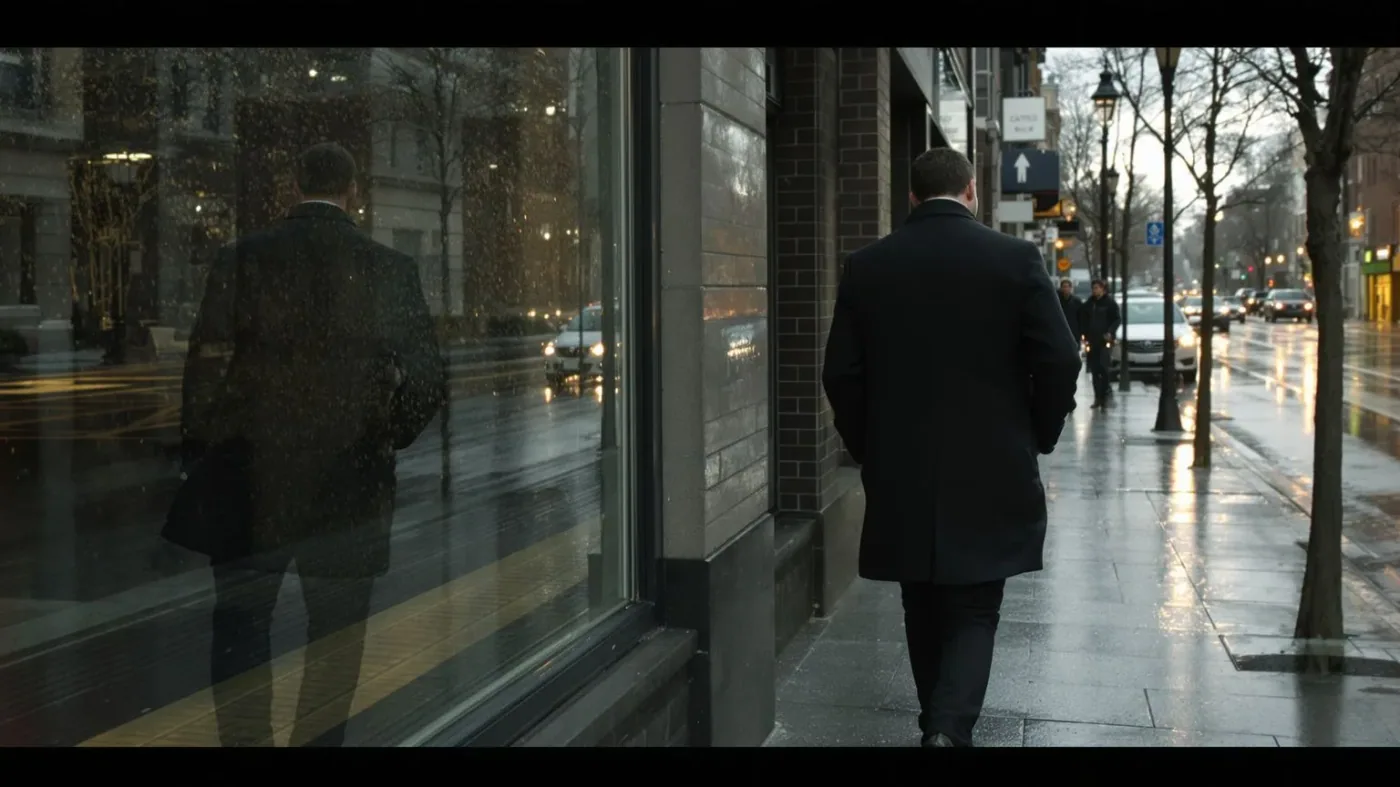
The phrase **emotional suppression effects** can sound clinical. Living it feels ordinary and relentless.
You snap at someone you love, then feel immediate guilt.
You scroll late into the night because silence feels unsafe.
You say “all good” while your hands shake in private.
You get things done and still feel strangely absent from your own life.
Evidence continues to link chronic stress burden with sleep disruption, muscle tension, blood pressure shifts, and immune strain. The American Psychological Association and MedlinePlus both summarize this clearly. Suppression can help in short bursts. As a lifestyle, it narrows your emotional range, dulls joy, hardens grief, and erodes self-trust.
Then loneliness deepens in a quiet way. If everyone meets your performed self, nobody gets to meet your real one.
Underneath all this, grief is often present. Sometimes grief for what happened. Sometimes for what never happened: being protected, being believed, being allowed. That is why permission to grieve matters, even without one dramatic event. And yes, letting yourself cry can help when your body is ready—not as a cure, but as one honest form of emotional release.
There is also a hidden effect people rarely name: time loss. Suppression steals hours. Hours spent replaying texts before sending them. Hours spent trying to look normal while your chest is pounding. Hours spent recovering from “small” moments that hit old pain. You may call this overthinking, but much of it is your body asking for completion that never came.
You can see this clearly in everyday scenes:
- You hear a neutral tone from your partner, but your stomach drops like you’re in danger.
- Your boss gives feedback, and your throat closes before you can ask one clarifying question.
- A friend doesn’t reply for a day, and your jaw stays tight until midnight.
These responses are not random. They are old protection patterns trying to keep you safe. Once you can name the body response early, you get choice back earlier.
If this part feels familiar, this article on emotional numbness and shutdown can help you separate protection from identity, and this one on feeling alone around people speaks to the loneliness that comes from performing all day.
One body-first practice for when words are stuck

This is not a performance. It is a five- to ten-minute return to yourself.
-
Permission (about 15 seconds)
Quietly say: “I don’t have to fix this right now. I’m allowed to feel one small part of it.” -
Settle in (about 1 minute)
Lie down on a stable surface. Hands beside your hips, palms facing down. Eyes covered with a soft shirt or gently closed. Keep the body still. -
Choose one body area (about 30 seconds)
Pick only one place: throat, chest, stomach, jaw, shoulders, or hands. -
Stay with sensation (about 3–5 minutes)
Keep attention on sensation, not story. Name it internally: tight, heavy, hot, numb, buzzing, hollow, sharp, dull.
If intensity rises, feel the support under your back and legs for a few moments, then return. -
Name one quiet truth (about 20 seconds)
Complete this sentence: “Right now, the truest thing is ____.”
Keep it plain. No explanation. -
Close gently (about 60 seconds)
Say: “Something in me was finally allowed.”
Then choose one concrete act in the next hour: drink water, take a warm shower, step outside, rest, send one honest text.
If nothing dramatic happens, that still counts. Early progress is often subtle: a softer jaw, one deeper breath, less inner fighting.
Two common mistakes can make this feel harder than it needs to be. One is trying to feel everything at once. Another is turning the practice into analysis. You do not need a full life story in this moment. You need contact. One sensation. One honest line. One small completion.
You can also use a simple depth check while lying still:
- What thought is loudest right now?
- Where do you feel that thought in your body?
- What does that place need right now—space, tears, stillness, one boundary, one truthful sentence?
This keeps the practice lived, not mechanical. You are not trying to perform healing. You are reducing inner distance.
If this repeatedly triggers panic, shutdown, or intense fear, go slower and consider support from a licensed therapist for pacing and safety.
If you want a gentler way to continue after this article, Feeling.app is worth trying.
A calmer, steadier way to meet what you feel — without bypassing, forcing, or performing recovery.
What changes after this practice—and what stays true

What tends to change early is what you notice. Signals that used to ambush you at night become visible earlier in the day.
Inner conflict softens too. Instead of spending energy pretending you are fine, you spend it naming one true thing and meeting it directly. That often lowers pressure before it turns into shutdown, snapping, or numbness.
Your timing shifts. You begin catching the throat-tightening before the argument escalates. You notice the jaw-clench before the people-pleasing yes. You feel the chest pressure before the late-night spiral. Earlier noticing is where different choices become possible.
Some days this will feel clean. Some days it will feel messy and unfinished. Both are valid. The win is not perfect calm. The win is staying in honest contact with yourself without abandoning your body again.
What remains true is this: you were never broken. You were protecting yourself in rooms that were too small for your feelings. The practice does not erase your history. It gives your body a safer way to move through it, one honest moment at a time.
For the next seven days, try this once a day where you usually shut down. Keep it brief. Keep it honest. Keep it repeatable. If you want extra structure, you can return to this page, read how to stop hiding your feelings, or use Feeling.app as a quiet companion when pressure rises.
The opposite of bottling up emotions is not losing control—it is building enough safety to tell one true thing at a time. You are not too much. You are overloaded and under-witnessed.
Bottling up emotions does not make pain smaller; it makes you carry it alone. Carried alone, even small pain gets heavy. Named in the body, even heavy pain can start to move.
You do not need a dramatic breakthrough tonight. You need one honest moment you do not abandon. A hand unclenches. A jaw softens. One true sentence gets spoken instead of swallowed. This is how pressure drops before it spills over.
When truth replaces performance, your body stops spending so much energy on hiding, bracing, and pretending to be fine. That is where clarity returns. Not all at once. But enough to breathe, enough to choose, enough to feel less alone inside your own life.
You do not have to fight bottling up emotions by force, but you can meet it with honesty, gentleness, and one true next step.
What often changes first is not the whole story, but the amount of force inside it. When bottling up emotions is named honestly, your body usually stops wasting so much energy on hiding, bracing, and pretending to be fine. That is where clarity begins. You may notice a little less pressure in your chest, a little more room in your breathing, or a little less panic around what this means about you. Those are not small things. They are signs that truth is starting to replace performance. And when truth returns, you can choose what actually restores you instead of repeating what only keeps you depleted.
Frequently Asked Questions
Why do I bottle up my emotions and then explode later?
Because suppression stores pressure instead of resolving it. You can stay controlled for days, then one small trigger opens everything at once. The reaction is usually cumulative emotion, not only the present moment.
Is bottling up emotions really bad for your health?
It can be, especially when chronic. Long-term suppression is associated with stress overload, sleep disruption, muscle tension, irritability, and emotional disconnection. Not every physical symptom is emotional, but the overlap is real.
How can I tell if I’m emotionally suppressing without realizing it?
Common signs include tight throat, heavy chest, clenched jaw, stomach knots, automatic “I’m fine,” emotional numbness, and constant distraction when things get quiet. The clearest marker is repeated disconnection from what you actually feel.
What if I’m scared that feeling my emotions will overwhelm me?
That fear makes sense. Use small doses: one body area, short timing, stillness, and grounding when intensity rises. Capacity grows through pacing, not force.
Does letting yourself cry actually help?
Often, yes. Crying can release tension when enough safety is present. It is not required. Emotional release can also look like calmer breathing, clearer boundaries, and saying one truth you usually swallow.
Why is this so hard for men in particular?
Many men are taught that vulnerability risks respect or belonging, so suppression becomes normalized early. The encouraging part is that bodies respond to safety across gender. As permission increases, expression becomes more possible.